Breast cancer is one of the most treatable cancers when caught early. The challenge is that in its earliest stages, it rarely announces itself. There is no pain, no visible lump, and no symptoms at all. This is precisely why breast cancer screening exists, and why following the right schedule matters far more than most people realise.
This blog discusses who should be screened, which tests apply, when to start and what changes if your personal or family history puts you at higher risk.
Why Screening Is Not the Same as Diagnosis
Before getting into the guidelines, it helps to understand what screening actually does. Screening tests are performed on people who have no symptoms. The goal is to find cancer, or pre-cancerous changes, before they become a clinical problem.
A diagnosis, by contrast, happens after a symptom or an abnormal screening result prompts further investigation. Screening is not about finding something wrong. It is about making sure nothing is developing undetected.
This distinction matters because many women skip breast cancer screening assuming they would "feel something" if there were a problem. Often, they would not.
Standard Breast Cancer Screening Guidelines by Age
1. Women in Their 30s
For women of average risk with no personal history of breast cancer, no known genetic mutations, and no significant family history, routine screening typically begins at 40. That said, it is worth having a baseline conversation with your doctor at 30 about your personal risk profile, especially if a first-degree relative was diagnosed before 50.
Some women in their 30s with a moderately elevated risk profile may be advised to start annual mammography earlier. The decision should be individualised, not assumed.
2. Women Aged 40 to 54
This is the age group where breast cancer screening guidelines become most active. The widely accepted recommendation for average-risk women in this bracket is an annual mammogram. Annual screening in this age group has consistently shown a reduction in breast cancer mortality by enabling detection at stage I or II, when surgery and treatment options are broader and outcomes are better.
Digital mammography is the standard tool. In women with dense breast tissue, which is identified on the mammogram report itself, ultrasound is often added to improve detection accuracy.
3. Women Aged 55 and Above
After 55, the standard recommendation transitions to a mammogram every two years, though annual screening remains an equally valid option. Most guidelines agree that screening should continue as long as a woman is in good health and has a life expectancy of at least 10 years. Age alone is not a reason to stop.
Breast Cancer Screening Tests: What to Expect
1. Mammography
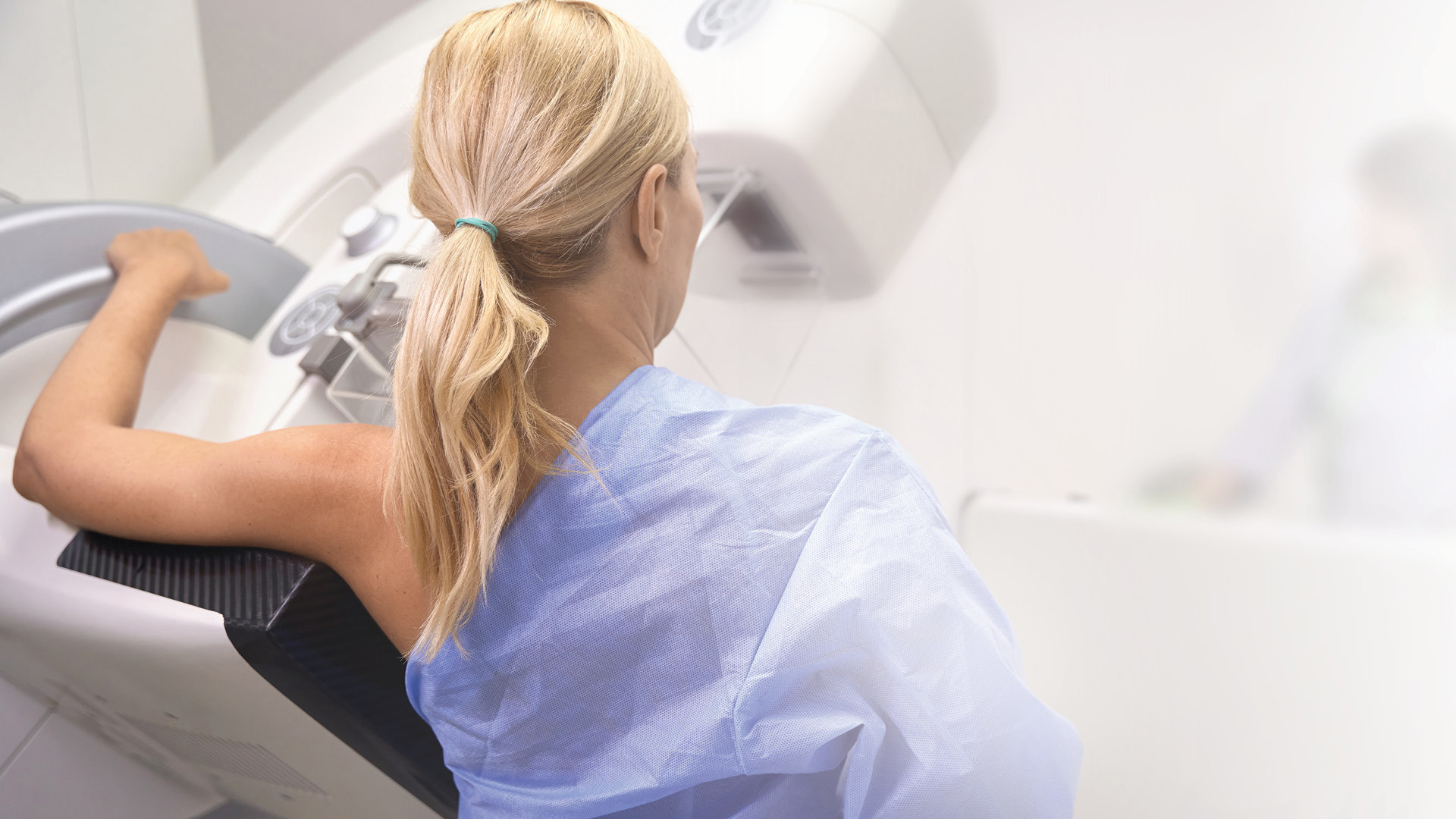
This is the baseline of all breast cancer screening tests. A mammogram uses low-dose X-ray to produce images of breast tissue. The procedure takes about 15 to 20 minutes. Mild discomfort is common during compression, but it is brief.
3D mammography, also called tomosynthesis, is increasingly used at hospitals because it produces layered images of the breast rather than flat ones. It reduces false positives and improves detection in dense tissue.
2. Breast Ultrasound
Ultrasound does not replace mammography but works alongside it, particularly in women with dense breasts. It is also used when a lump is found on clinical examination and needs to be characterised before a biopsy decision is made.
3. Breast MRI
MRI is reserved for high-risk patients. It is more sensitive than mammography but also produces more false positives, which is why it is not used for routine, average-risk screening. When it is appropriate, your doctor will advise this specifically.
4. Clinical Breast Examination
A physical examination by a trained clinician remains part of routine gynaecological or general health check-ups. It should not replace imaging but serves as a complementary check, particularly in settings where imaging access is limited.
Genetic Screening for Breast Cancer: Who Needs It?
Genetic testing for breast cancer covers mutations in two genes, BRCA1 and BRCA2, which substantially increase the lifetime risk of breast cancer. A woman with a BRCA1 mutation has a lifetime risk as high as 72 percent. The risk with BRCA2 is a little lower, but still much higher than in the general population.
Genetic screening for breast cancer is recommended if you have a first-degree relative diagnosed under 50, two or more relatives on the same side of the family with breast or ovarian cancer, a male relative with breast cancer, or a known family mutation. It is also considered for women of Ashkenazi Jewish ancestry, given the higher population prevalence of BRCA mutations.
If a genetic mutation is confirmed, screening shifts significantly. Annual MRI alongside mammography from age 25 to 30 is typically recommended, often supplemented with a formal discussion around risk-reduction options.
Wrapping up
Screening does not prevent breast cancer. What it does is find it early, when treatment works best, when surgery is less extensive and when outcomes are measurably better. Whether you are 35 or 65, whether your risk is average or elevated, there is a screening pathway that fits your situation. The most important step is to know where you stand and act on it with your doctor's guidance.
FAQs
1. At what age should I start breast cancer screening?
For average-risk women, annual mammography begins at 40. Women with a strong family history, dense breast tissue or known genetic risk factors may need to start earlier. Your doctor can look at your personal risk and give you advice about it.
2. What do breast cancer screening tests involve practically?
A standard mammogram takes 15 to 20 minutes. There is mild pressure during imaging but no injections or sedation. If you have dense breast tissue, you may need an additional ultrasound. Results are often reviewed within a few days by a radiologist.
3. Should I have genetic screening for breast cancer even if no one in my family has been diagnosed?
Not routinely. Genetic testing is often recommended when you have personal or family history that suggests an elevated risk. If the risk isn’t present, you can stick to standard age-based mammography guidelines. In case you aren’t sure, consult with a breast oncologist or genetic counsellor to determine what is best for you.