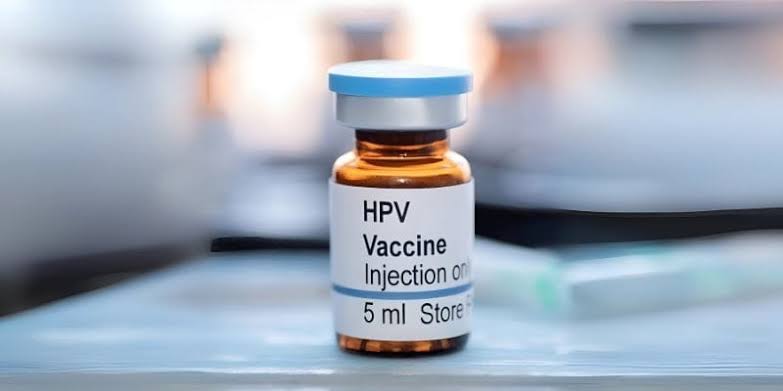

Cervical cancer is the second most common cancer among women in India, with about 79,000 new cases and 36,000 deaths every year. Yet, unlike many cancers, most cervical cancers can be prevented by vaccination against human papillomavirus (HPV), together with regular cervical cancer screening.
The HPV vaccine does not treat an existing HPV infection or cancer. Instead, it helps prevent new infections with HPV types responsible for most cervical cancers and several other HPV-related diseases.
If you are a parent wondering whether your daughter or son should receive the HPV vaccine, or an adult wondering whether you have missed the right age for vaccination, here is what you need to know.
What Is HPV, and Why Does It Matter?
HPV (human papillomavirus) is a very common virus. It spreads mainly through sexual and close skin-to-skin contact. Most HPV infections go away on their own without causing symptoms. However, when certain high-risk HPV types stay in the body for years, they can cause precancerous changes in cells and, over time, cancer.
HPV types 16 and 18 are particularly important. Together they cause about 70% of cervical cancers worldwide, and an even higher share, about 83%, in India. HPV can also cause cancers of the vulva, vagina, anus, penis and throat (oropharynx). HPV therefore matters for both women and men.
Which HPV Vaccines Are Available in India?
Three HPV vaccines are available in India. Two are quadrivalent (they protect against four HPV types) and one is nonavalent (it protects against nine). The right choice depends on age, sex and availability.
Cervavac is India’s indigenously developed quadrivalent HPV vaccine, made by Serum Institute of India. It protects against HPV types 6, 11, 16 and 18. It is licensed for girls/women and boys/men aged 9–26 years.
Gardasil is a quadrivalent vaccine, made by MSD, protecting against the same four HPV types: 6, 11, 16 and 18. In India it is licensed for girls and women aged 9–45 years. This is the vaccine used in the free national programme.
Gardasil 9 is a nonavalent vaccine, made by MSD, that protects against nine HPV types and provides the broadest HPV-type coverage. In India it is licensed for girls and women aged 9–26 years and for boys aged 9–15 years.
Free HPV Vaccine for 14-Year-Old Girls
In February 2026, the Government of India added HPV vaccination to the national immunisation programme. Girls aged 14 years can receive a single dose of the quadrivalent Gardasil vaccine free of cost at government health facilities, including primary health centres, community health centres and district hospitals. Vaccination is voluntary, and parental consent is required.
Is one dose enough? The World Health Organization considers a single dose to give protection comparable to two doses for people aged 9 to 20 years, and India’s programme follows this approach. If your daughter is 14, ask at your nearest government health centre.
Who Should Get the HPV Vaccine?
Children and Adolescents
Vaccination works best when it is given before any exposure to HPV, which is why the ideal age is between 9 and 14 years. The body’s immune response to the vaccine is also strongest at this age.
Under the Indian Academy of Pediatrics 2025 schedule, healthy girls aged 9 to under 15 years can receive a single dose, and boys of the same age receive 2 doses, six months apart. Girls aged 14 years can get their single dose free under the national programme (see above).
Adolescents and Young Adults
Teenagers and young adults who were not vaccinated earlier can still benefit from catch-up vaccination. From 15 years of age, the usual schedule is 3 doses, given at 0, 2 and 6 months.
Women Who Missed Vaccination Earlier
Women who were not vaccinated when younger can still be vaccinated. Cervavac and Gardasil 9 are licensed up to 26 years of age, and Gardasil (quadrivalent) is licensed for women up to 45 years. The benefit is smaller at older ages because earlier exposure to HPV is more likely, but previous sexual activity does not mean you have been exposed to every HPV type a vaccine covers. Your gynaecologist can help you decide whether vaccination makes sense for you.
Boys and Men
HPV is not only a women’s health issue. In men, HPV can cause cancers of the anus, penis and throat, as well as genital warts, and boys can pass HPV to future partners. The Indian Academy of Pediatrics recommends vaccinating boys. Cervavac is licensed for boys and men aged 9–26 years, and Gardasil 9 for boys aged 9–15 years.
Is the HPV Vaccine Safe?
HPV vaccines have been studied extensively and have a strong safety record. Side effects are usually mild and short-lived: pain or swelling where the injection was given, mild fever, headache or brief dizziness. Teenagers sometimes faint after any injection, so anyone receiving the vaccine should stay seated for 15 minutes afterwards. As with any vaccine, a severe allergic reaction is possible but rare.
Vaccination Does Not Replace Cervical Cancer Screening
Women should continue regular cervical cancer screening even after HPV vaccination. No HPV vaccine covers every cancer-causing HPV type, and the vaccine cannot clear an infection that was already present. India’s national guidelines recommend screening for women aged 30 to 65 years, or earlier if your doctor advises it.
Ending Note
HPV vaccination is one of the most effective tools available to prevent cervical cancer and other HPV-related cancers. It works best between 9 and 14 years of age, and girls aged 14 can receive it free under the national programme. If you missed vaccination earlier, it may not be too late, so speak to your doctor. HPV vaccination combined with regular screening gives the strongest protection against cervical cancer.
FAQs
Can a woman who is already sexually active get the HPV vaccine?
Yes. Being sexually active does not rule out vaccination. The vaccine cannot treat an HPV infection you already have, but you may not have been exposed to all the HPV types the vaccine covers. Eligibility depends on your age and the vaccine used.
Do I need an HPV test before getting vaccinated?
Routine HPV testing is generally not required simply to decide whether someone can receive HPV vaccination. Your doctor can advise if testing is indicated for another clinical reason.
Does HPV vaccination mean cervical screening is no longer necessary?
No. Vaccination and screening do different jobs. Vaccination helps prevent new infections with the HPV types it covers, while screening finds HPV infection or precancerous changes early, when they are easy to treat. Women should continue screening as recommended.
Can the HPV vaccine be given during pregnancy?
No. HPV vaccination is postponed during pregnancy. If a woman becomes pregnant after starting the vaccine course, the remaining dose or doses are given after delivery. If a dose was given before the pregnancy was known, no treatment or intervention is needed, but let your doctor know.
Who should not receive the HPV vaccine?
People with a history of a severe allergic reaction to a previous HPV vaccine dose or a vaccine component should not receive that vaccine. Vaccination is usually postponed during a moderate or severe acute illness. It is not recommended below the minimum licensed age for the specific vaccine.
What about people who are immunocompromised?
People with a weakened immune system, including those living with HIV, can benefit from HPV vaccination but need extra doses. The Indian Academy of Pediatrics recommends three doses at any age, and WHO recommends at least two and, where possible, three. Your doctor will advise the right schedule.
Editorial References
• Shastri DD, Dhir SK, Rajsekhar B, et al. Indian Academy of Pediatrics (IAP) Advisory Committee on Vaccines and Immunization Practices (ACVIP): Recommended Immunization Schedule (2025) and Update on Immunization for Children Aged 0 Through 18 Years. Indian Pediatr. 2026;63:311–324. doi:10.1007/s13312-026-00311-w
• World Health Organization. Human papillomavirus vaccines: WHO position paper, December 2022.
• Serum Institute of India. Cervavac® product information (India).
• Ministry of Health and Family Welfare, Government of India. National HPV Vaccination Campaign, launched 28 February 2026.
• Sung H, Filho AM, Laversanne M, et al. Global cancer statistics 2024: GLOBOCAN estimates of incidence and mortality worldwide for 34 cancers in 186 countries. CA Cancer J Clin. 2026. doi:10.3322/caac.70090
• International Agency for Research on Cancer. Global Cancer Observatory: India fact sheet (GLOBOCAN 2024), July 2026.
• ICO/IARC Information Centre on HPV and Cancer. Human Papillomavirus and Related Cancers, Fact Sheet: India, 2023.
• Central Drugs Standard Control Organization. Summaries of product characteristics: Gardasil and Gardasil 9 (MSD Pharmaceuticals, India).
• Gupta et al. Navigating the landscape of cervical cancer in India: epidemiology, prevention, current status, and emerging solutions. J Obstet Gynaecol Res. 2024.