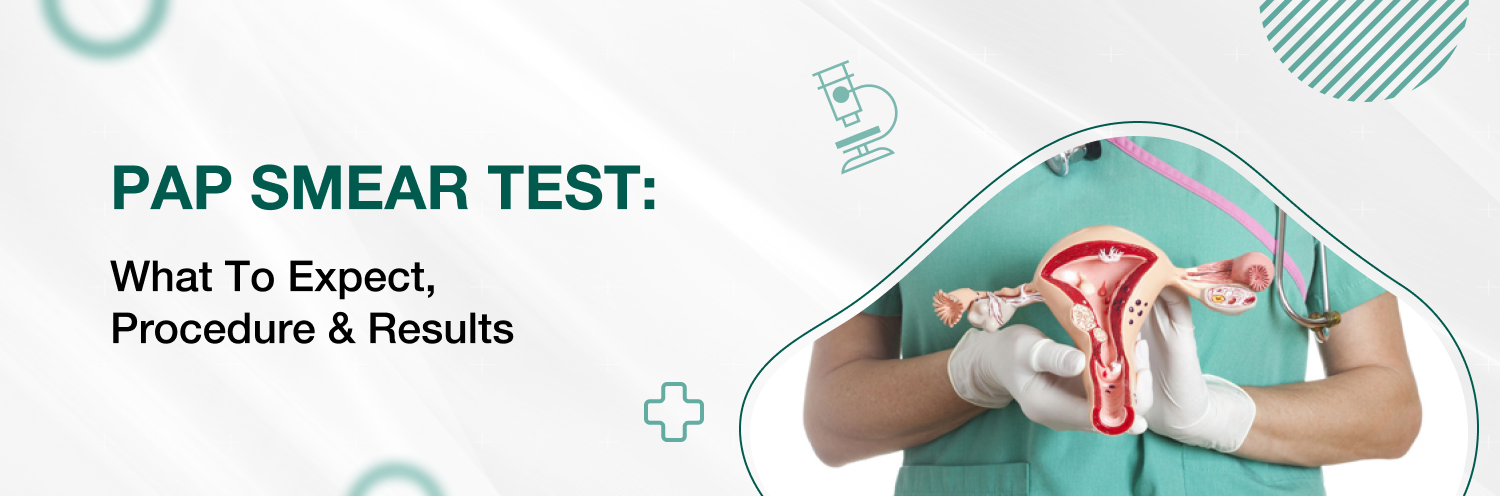

Cervical cancer is one of the most preventable cancers in the world. Yet in India, it remains the second most common cancer among women. The gap between those two facts comes down largely to one thing: screening. A Pap smear test is the single most reliable tool available to detect abnormal cervical cells before they progress into cancer, and most women who undergo one regularly are doing exactly what they need to protect themselves.
If you have been advised to get a Pap smear and are unsure what the pap smear test procedure involves, this guide will walk you through it in plain, honest terms.
What Is a Pap Smear Test?
A Pap smear, also called a Pap test or cervical smear, is a screening procedure in which a small sample of cells is collected from the cervix, which is the lower end of the uterus that opens into the vagina. These cells are examined under a microscope to check for abnormalities. The test does not diagnose cancer outright. What it does is identify cellular changes early, when intervention is straightforward, and outcomes are good.
In India, the test is commonly offered at gynaecology departments of hospitals, government health centres and specialist clinics. It is recommended for every woman between the ages of 21 and 65 and should be repeated every three years if the result is normal.
For women above 30, a combination of Pap smear and HPV (Human Papillomavirus) testing every five years is recommended. HPV is a virus that is responsible for almost all cases of cervical cancer. This test identifies the presence of the cancer causing virus, even before cellular changes have begun.
Who Should Get a Pap Smear?
Any sexually active woman between 21 and 65 years of age should be screened. This includes women who have had only one sexual partner, and women who feel completely healthy. Cervical changes rarely produce symptoms in early stages, which is precisely why waiting for a symptom to appear is not the right strategy.
Women who have had prior abnormal pap smear test results, are immunocompromised, or have a history of HPV infection may be asked to get tested more frequently. Your gynaecologist will guide the schedule based on your individual health history.
The Pap Smear Procedure in India: Step by Step
Before the Test
A few practical steps before your appointment can improve the accuracy of the sample. Avoid intercourse, douching, vaginal creams or tampons for 48 hours before the test. If you are menstruating, reschedule to a day when your flow has stopped or is minimal. The test itself takes no more than five to ten minutes and does not require hospitalisation or anaesthesia.
During the Test
You will be asked to lie on an examination table and place your feet in stirrups. The gynaecologist will gently insert a speculum into the vagina to hold the vaginal walls open. This allows a clear view of the cervix.
A small sample of cells is taken from the surface of the cervix and from the endocervical canal with a soft brush or spatula. In India, government hospitals and most public health settings use the conventional Pap smear method, in which cells are smeared directly on to the glass slide.
In private and tertiary hospitals, liquid-based cytology (LBC) is increasingly preferred. In LBC, the brush is rinsed into a small vial of liquid, which reduces the chance of an inadequate sample and improves accuracy.
The sample collection itself is quick. Some women feel a slight pressure lasting a few seconds. So, those who ask, “Does a pap smear hurt?” No, the procedure is not painful in the way many expect.
After the Test
You can resume your normal routine immediately after the test. Your sample is sent to a cytology laboratory where a trained pathologist examines the cells. Pap smear test results in private facilities are typically available within 5 to 7 working days.
Understanding Your Results
A normal result means no abnormal cells were detected. An abnormal result does not mean cancer is present. It may mean there is inflammation, mild cellular changes associated with HPV or pre-cancerous changes called cervical intraepithelial neoplasia (CIN). Depending on the grade, your doctor may recommend a repeat test in six months, an HPV co-test or a colposcopy for closer examination.
Why Regular Screening Changes Outcomes
Early-stage cervical cancer detected through screening has a five-year survival rate of 91 percent, compared to significantly lower rates at advanced stages.
Regular Pap smears do not just detect problems early. They catch cellular changes at a stage where treatment is minimally invasive and recovery is complete.
Final Thoughts
A pap smear test procedure is a short, simple, outpatient process that takes less time than most routine medical appointments. The discomfort it involves is brief and manageable. The information it provides can genuinely change the course of your health. If you are due for a screening or have been putting one off, this is the right time to schedule it.
FAQs
Is a Pap smear painful?
Most women describe a brief sense of pressure during the cell collection, which takes only seconds. The procedure itself is not intended to be painful. Taking some deep breaths while you are taking the test can help keep your pelvic muscles relaxed and make you more comfortable.
Can I get a Pap smear done during my period?
No. You might want to schedule the test when you are not menstruating. It is because the blood in your sample might interfere with the lab analysis, causing an inconclusive report. As such, schedule the test at least two weeks after your last period ends.
What happens if my Pap smear result is abnormal?
An abnormal result is not a cancer diagnosis. Your gynaecologist will explain what the specific finding means and recommend the appropriate next step, which could be a repeat Pap smear, an HPV test or a colposcopy. Most abnormalities, when followed up promptly, are entirely manageable.