
Most people encounter the word "lymphoma" only after a doctor says it in a consultation room. Very often, such a moment is disorienting, and it often leaves patients and families with more questions than answers.
This blog is written to change that, to give you a clear, honest understanding of lymphoma before, during or after the conversation so that the steps ahead feel less uncertain.
Understanding What Lymphoma Actually Is
“What is lymphoma?” is a common question raised by patients and their loved ones. Well, it is a cancer that begins in the lymphatic system, which is the network of vessels, nodes and organs that helps your body fight infections. The lymphatic system includes your lymph nodes (the small glands you feel in your neck, armpits and groin), your spleen, your thymus gland and your bone marrow.
When lymphocytes, a type of white blood cell responsible for immune defence, start multiplying abnormally, they can accumulate and form tumours. This process is lymphoma. Because the lymphatic system runs throughout the entire body, lymphoma can technically develop almost anywhere.
The Two Main Types: Hodgkin and Non-Hodgkin
With the basic clear, are you now wondering what is lymphoma in terms of its two primary categories?
- Hodgkin lymphoma (HL) is defined by the presence of a specific cell called the Reed-Sternberg cell. It tends to follow a more predictable spread pattern through the lymph nodes and, importantly, responds very well to treatment even at advanced stages.
- Non-Hodgkin lymphoma (NHL) is a broader category covering over 60 distinct subtypes. In India, diffuse large B-cell lymphoma (DLBCL) and follicular lymphoma are among the more frequently diagnosed NHL types. NHL can be aggressive or slow growing, depending on the subtype. As a result, accurate classification matters enormously before treatment begins.
Recognising Lymphoma Symptoms
Lymphoma symptoms can be easy to dismiss because many of them resemble ordinary illnesses. Persistent fatigue, a mild fever that comes and goes, or a swollen lymph node after a cold are easy to attribute to something else. This is exactly why lymphoma is sometimes detected later than it should be.
Lymphoma symptoms that deserve medical attention include:
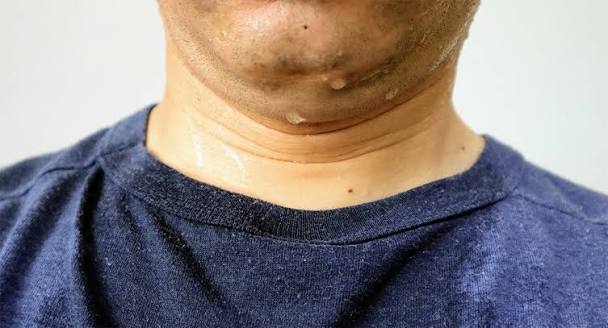
- Painless swelling in the neck, armpits or groin that does not resolve within a few weeks
- Unexplained fever, particularly one that recurs without infection
- Night sweats significant enough to drench clothing or bedding
- Unexplained weight loss of more than 10 percent of body weight over six months
- Persistent fatigue that rest does not improve
- Itching across the body without a skin condition causing it
- Breathlessness or a persistent cough if lymphoma is pressing against chest structures
When Should You See a Doctor
If any of these lymphoma symptoms have been present for more than two to three weeks without improvement, a visit to a physician is not optional. It is necessary.
Swollen lymph nodes that are firm, enlarging and painless are particularly worth investigating promptly. Catching lymphoma early consistently improves outcomes across both major types.
How Lymphoma Is Diagnosed
Diagnosis begins with a physical examination and blood tests. Imaging test like CT scans or PET-CT scans comes in handy in locating the affected nodes and assessing the disease's extent. The definitive step is a lymph node biopsy, where a small tissue sample is examined to confirm the diagnosis as well as identify the specific subtype. Bone marrow biopsy may also be performed for staging.
This process is thorough because lymphoma treatment is directly guided by subtype, stage and molecular characteristics of the cancer. A correct diagnosis is the foundation of a correct treatment plan.
Lymphoma Treatment: What to Expect
Lymphoma treatment has advanced significantly, and the outcomes today are considerably better than they were two decades ago. Hodgkin lymphoma, in particular, has one of the highest cure rates among all cancers when treated appropriately.
Following are the lyphoma treatment options:
- Chemotherapy: The most widely used approach, often given in combination regimens such as ABVD for Hodgkin lymphoma or R-CHOP for aggressive B-cell NHL.
- Radiation therapy: Utilised in some stages with chemotherapy, or as consolidation therapy.
- Targeted therapy: Drugs like rituximab attack cancer cells and spare healthy tissue.
- Immunotherapy & CAR-T cell therapy: Increasingly available for relapsed or treatment-resistant cases.
- Stem cell transplant: Given to those with relapsed disease or high-risk subtypes.
Choosing the right treatment requires the expertise of haematologists, medical oncologists, and radiation oncologists working together. A well-equipped oncology hospital with a dedicated tumour board ensures that every decision about your care is made with the full clinical picture in front of the right specialists.
Living With and Beyond Lymphoma
A lymphoma diagnosis is serious, but it is not a final answer. Many patients in India who have received timely, accurate treatment have returned to full lives. Staying consistent with follow-up care after treatment ends is equally important, as this is when recurrence is most likely to be detected early if it occurs.
Oncologists with a focus on haematological cancers will continue to monitor your health through periodic imaging and blood work for several years after treatment concludes. This follow-up is part of the treatment, not separate from it.
Bottom Line
Lymphoma is treatable, and in many cases curable, particularly when identified before it has spread widely. The path forward starts with recognising symptoms that do not resolve, seeking evaluation without delay and accessing care from specialists with real expertise in blood cancers.
For Indian patients and families navigating this diagnosis, the most important step is also the simplest one: ask, investigate and act early.
FAQs
Is lymphoma the same as blood cancer?
Lymphoma is a form of blood cancer, but not all blood cancers are lymphomas. This is specifically derived from lymphocytes. There are other blood cancers, such as leukaemia and myeloma, which develop via different mechanisms.
Can lymphoma be completely cured?
Yes, in many cases. Hodgkin lymphoma has a cure rate exceeding 85 to 90 percent in early stages with appropriate treatment. Several subtypes of non-Hodgkin lymphoma are also highly treatable. Outcomes depend on the type, stage at diagnosis as well as the patient's overall health.
How long does lymphoma treatment take in India?
Treatment duration varies by type and stage. Chemotherapy for Hodgkin lymphoma typically runs 4 to 6 months. Treatment timelines for non-Hodgkin lymphoma vary more by subtype. Once staging is complete, your oncologist will have a specific plan for you.